
Revolutionary Autonomous Driving Trends in 2026: What You Need to Know
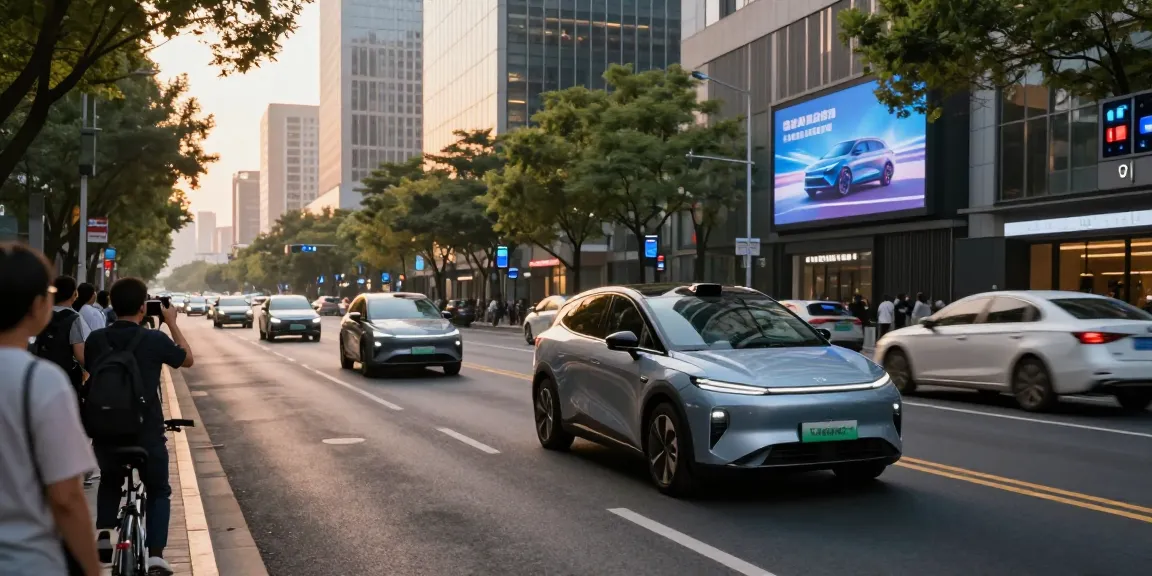
Understanding Autonomous Driving: A Comprehensive Overview
As we stand on the brink of a technological renaissance, the concept of autonomous driving has transitioned from the realms of science fiction to a palpable reality. This evolution reflects not only advancements in artificial intelligence and machine learning but also a societal shift towards embracing vehicles that can operate with minimal human intervention. The complexities surrounding this technology demand a thorough understanding, particularly as it shapes the future of urban mobility and transforms our transportation landscape.
What is Autonomous Driving?
Autonomous driving refers to the capability of a vehicle to navigate and operate without human input. Utilizing an intricate combination of sensors, cameras, radar, and artificial intelligence, these vehicles can assess their surroundings and make real-time decisions. Ranging from Level 0 (no automation) to Level 5 (full automation), each level signifies the degree to which human drivers are required to engage with the driving process.
The Evolution of Self-Driving Technology
The journey of autonomous driving technology can be traced back to the mid-20th century. Early attempts included rudimentary systems that relied on pre-defined pathways. However, significant strides were made in the 1980s with research from notable institutions such as Carnegie Mellon University. Fast forward to the 2000s, and companies like Google began experimenting with self-driving prototypes, paving the way for commercial interest and investment in the sector. Today, several major automakers and tech companies are racing to develop fully autonomous vehicles, reshaping the very concept of mobility.
Key Terminologies in Autonomous Driving
To effectively navigate the world of autonomous driving, familiarity with specific terminologies is essential. Terms like “Lidar” (Light Detection and Ranging), which is crucial for mapping surroundings, and “V2X” (Vehicle-to-Everything), which involves communication between vehicles and their environment, are commonly used. Understanding these terms can significantly enhance one’s comprehension of the operational aspects and future potential of autonomous vehicles.
The Benefits of Autonomous Driving for Urban Mobility
As cities grapple with the challenges of congestion, pollution, and safety, autonomous driving emerges as a potential game-changer in urban mobility. When exploring options, autonomous driving provides comprehensive insights into how these technologies can address pressing issues faced by urban environments.
Reducing Traffic Congestion through Smart Technology
One of the most significant benefits of autonomous vehicles is their potential to alleviate traffic congestion. By employing intelligent algorithms and real-time data, autonomous vehicles can optimize route selections, significantly reducing wait times and traffic jams. This smart technology not only enhances vehicle flow but can also lead to shorter travel times for all road users.
Environmental Impact: Lower Emissions and Fuel Efficiency
With climate change at the forefront of global concerns, autonomous driving technologies promise to make a meaningful impact on reducing vehicle emissions. Automated vehicles can be programmed for optimal speed and fuel consumption, minimizing unnecessary acceleration and braking. Moreover, the increased use of electric autonomous vehicles can contribute to further reductions in carbon footprints, making public transport and personal travel more sustainable.
Enhancing Road Safety: Minimizing Human Error
Human error remains the leading cause of road accidents, accounting for about 94% of crashes according to the National Highway Traffic Safety Administration. Autonomous vehicles can dramatically reduce these incidents by consistently adhering to traffic regulations, avoiding distractions, and responding to potential hazards more promptly than human drivers. Implementing these systems could result in a significant decline in accidents, injuries, and fatalities on our roads.
Challenges Facing the Autonomous Driving Industry in 2026
Despite the promises of autonomous driving technology, several challenges must be addressed to facilitate its widespread adoption. These hurdles range from legal and regulatory issues to public perception-related challenges.
Legal and Regulatory Hurdles
The regulatory landscape for autonomous vehicles is complex and varies significantly across different jurisdictions. Lawmakers are tasked with creating frameworks that ensure the safety and reliability of these vehicles while promoting innovation in the industry. Navigating these regulatory waters will be crucial for companies aiming to deploy autonomous fleets commercially.
Public Perception and Acceptance of Self-Driving Cars
Public perception plays a pivotal role in the acceptance of autonomous technology. Many individuals remain skeptical about the safety of self-driving cars, often influenced by highly publicized accidents involving autonomous systems. Educating the public about the safety protocols, technologies in place, and the overall benefits of autonomous driving is essential to gain consumer trust and acceptance.
Technical Barriers: Improving AI and Sensor Technology
While advancements in AI and sensor technology have propelled the autonomous driving sector forward, significant technical barriers still exist. Ensuring that vehicles can accurately interpret complex environments, including unpredictable human behavior and varying weather conditions, remains a challenge. Ongoing research and investment will be necessary to enhance these technologies for safe and reliable operations.
Best Practices for Implementing Autonomous Driving Solutions
For companies looking to implement autonomous driving solutions, adopting best practices can significantly enhance their success. These practices encompass a range of strategies that address operational, technical, and consumer-facing aspects of autonomous technologies.
Fleet Management Strategies for Autonomous Vehicles
Effective fleet management will be crucial for companies utilizing autonomous vehicles. Strategies that optimize vehicle routing, maintenance schedules, and energy management can enhance operational efficiency. Moreover, employing telematics can help in monitoring vehicle conditions and performance, allowing for proactive maintenance and reduced downtime.
Data Privacy and Security Measures in Autonomous Driving
As autonomous vehicles become increasingly interconnected, ensuring data privacy and security is paramount. Implementing robust cybersecurity measures can safeguard sensitive information and protect against potential data breaches that could compromise user safety and trust. Companies should prioritize encryption, user consent frameworks, and rigorous testing of security protocols.
Partnerships and Collaboration in the Tech Industry
Collaboration is essential in navigating the fast-evolving autonomous driving landscape. Forming partnerships with technology providers, urban planners, and regulatory bodies can enhance innovation and facilitate smoother integration of autonomous systems into existing urban infrastructures.
The Future of Autonomous Driving: What Lies Ahead?
As we look ahead to 2026 and beyond, autonomous driving technology is poised to transform not only vehicles but also urban landscapes.
Emerging Trends and Predictions for 2026 and Beyond
Experts predict that by 2026, advancements in machine learning and AI will significantly improve the performance capabilities of autonomous vehicles. Enhanced V2X communication will allow vehicles to interact seamlessly with other road users and infrastructure, making travel safer and more efficient.
Integration with Smart Cities
As cities become increasingly connected through the Internet of Things (IoT), the integration of autonomous vehicles into smart city infrastructures will become more prevalent. This integration could lead to optimized traffic flows, reduced congestion, and improved public transport systems, as vehicles communicate with traffic lights and other urban elements.
Potential New Business Models in Transportation
The rise of autonomous driving will undoubtedly reshape conventional business models in transportation. Companies may explore novel approaches such as on-demand autonomous vehicle fleets, subscription services, and shared mobility solutions that cater to changing consumer preferences and urban needs.
What are the primary benefits of autonomous vehicles?
Autonomous vehicles promise to enhance safety, reduce emissions, and alleviate traffic congestion. By minimizing human error and optimizing driving patterns, they can create more efficient and sustainable transportation systems.
How does autonomous driving technology work?
This technology employs a combination of sensors (such as Lidar, radar, and cameras) and advanced algorithms to interpret the vehicle’s environment, make decisions, and navigate without human intervention.
What regulations exist for autonomous vehicles?
Regulations vary widely by region, focusing on safety standards, liability laws, and operational protocols for autonomous systems. Continuous updates are being made as the technology evolves and matures.
Are autonomous vehicles safe for public use?
While autonomous vehicles have shown promising safety records in tests and pilot programs, public acceptance hinges on transparent communication about technology capabilities and rigorous regulatory frameworks to ensure public safety.
How will autonomous driving impact urban infrastructure?
The adoption of autonomous vehicles will require urban planners to rethink infrastructure design, including roadways, traffic management systems, and public transport integration, to meet the demands of a new transportation paradigm.